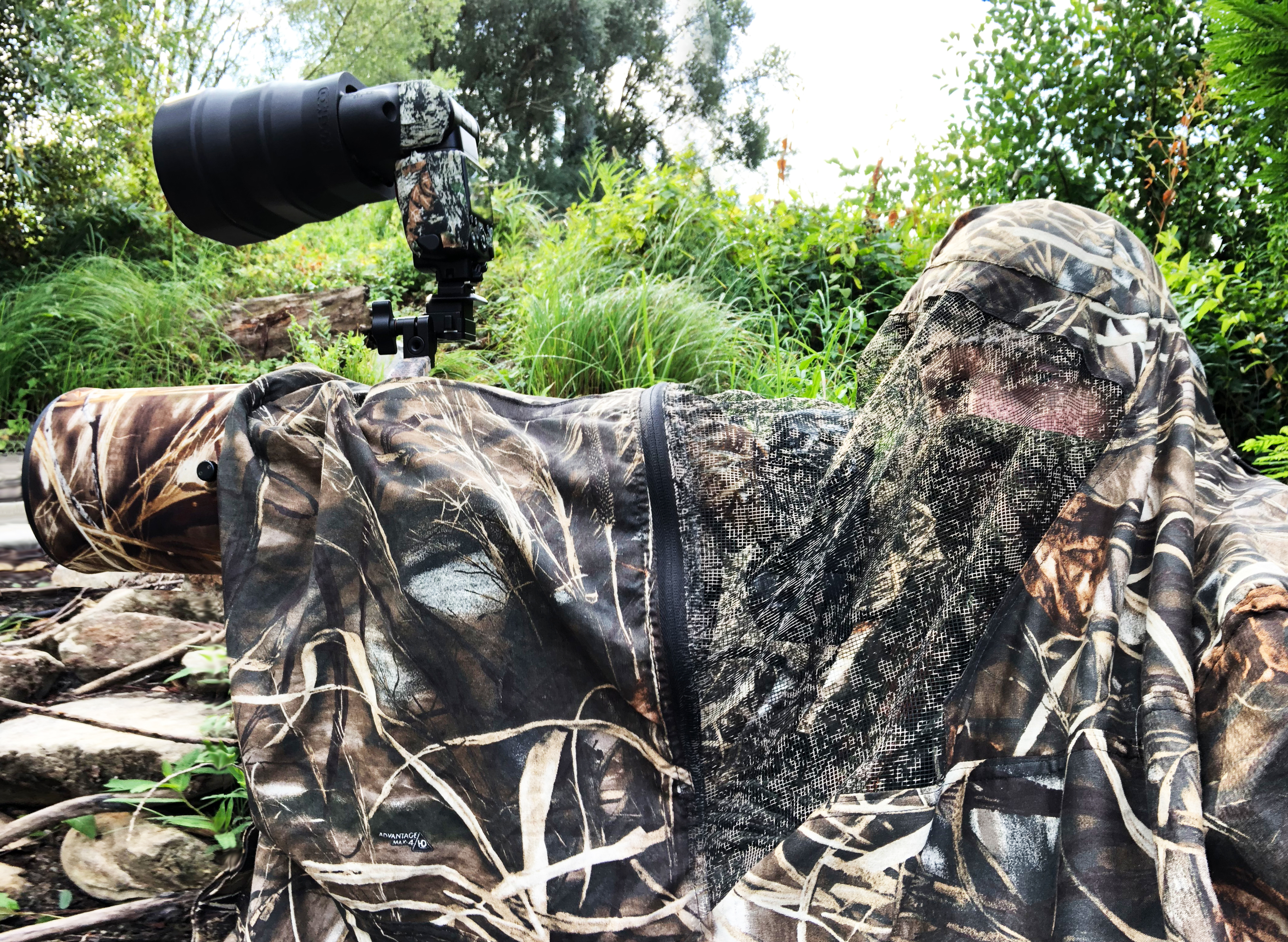
Equipment
Choosing a Telephoto Lens for Canadian Wildlife Photography
Focal length comparisons, autofocus performance, and weight trade-offs for shooting in Banff, Jasper, and Pacific Rim.
Practical guides covering lens selection, seasonal animal behaviour, and ethical practices for photographers working in Canada's protected natural areas.

Latest Articles
Three subject areas covered in depth — from choosing the right telephoto lens to understanding how elk behaviour shifts through the seasons.
Equipment
Focal length comparisons, autofocus performance, and weight trade-offs for shooting in Banff, Jasper, and Pacific Rim.

Field Guide
How bear activity, elk rutting, and bird migration patterns affect where and when to position yourself through the year.

Ethics
Parks Canada guidelines, minimum approach distances, and field habits that protect both the wildlife and the photographer's access.
Matching focal length and autofocus capability to the specific conditions of Canadian parks — open meadows, dense boreal forest, coastal inlets.
Understanding how temperature, food availability, and breeding cycles drive animal movement across parks including Banff, Jasper, and Gwaii Haanas.
Respecting minimum approach distances, avoiding habituation, and following Parks Canada regulations so wildlife populations remain undisturbed.
Landscape Reference

Peyto Lake, Banff National Park, Alberta — the park's diverse elevation zones support distinct wildlife communities.
Canada's mountain national parks — Banff, Jasper, Yoho, and Kootenay — cover overlapping habitat types that support grizzly bears, black bears, wolves, elk, caribou, and a wide range of raptors and shorebirds.
Pacific Rim National Park Reserve on Vancouver Island adds coastal species to the mix: black bears feeding on intertidal zones, bald eagles nesting along the shoreline, and grey whales visible from certain headlands.
Each park has its own set of regulations governing how close photographers may approach different species — regulations that exist alongside broader federal wildlife protection under the Canada National Parks Act.